
TL;DR
To purchase backlinks responsibly, buy relevant sponsored exposure, not an unqualified ranking link. Google treats paid links intended to manipulate rankings as spam. Compare publisher relevance, approval rights, total cost, disclosure and paid-link attributes before ordering. Google explains the distinction.
This is a provider comparison for SEO agencies, based on official service pages rather than test orders. We assess the same criteria for four named options: publisher selection, price approach, link treatment, replacement terms and client fit. Our existing acquisition-route guide covers the broader decision.
Table of contents
- The policy check
- 1. Getfluence: marketplace and managed campaigns
- 2. WhitePress: choose individual publisher offers
- 3. Collaborator: filter by sponsored-link type
- 4. fatjoe: managed execution, limited approval
- Five gates before a client order
- FAQ
- The better purchasing decision
- Sources
- Recommended Reads
The policy check
Google permits paid advertising links qualified with sponsored or nofollow but identifies links bought for ranking purposes as link spam. Its outbound-link guidance recommends sponsored. For UK advertorials, ASA guidance discusses prominent advertising labels. Confirm both the reader-facing label and the link attribute. Paying for editorial outreach buys labour, not an independent publisher decision.
1. Getfluence: marketplace and managed campaigns
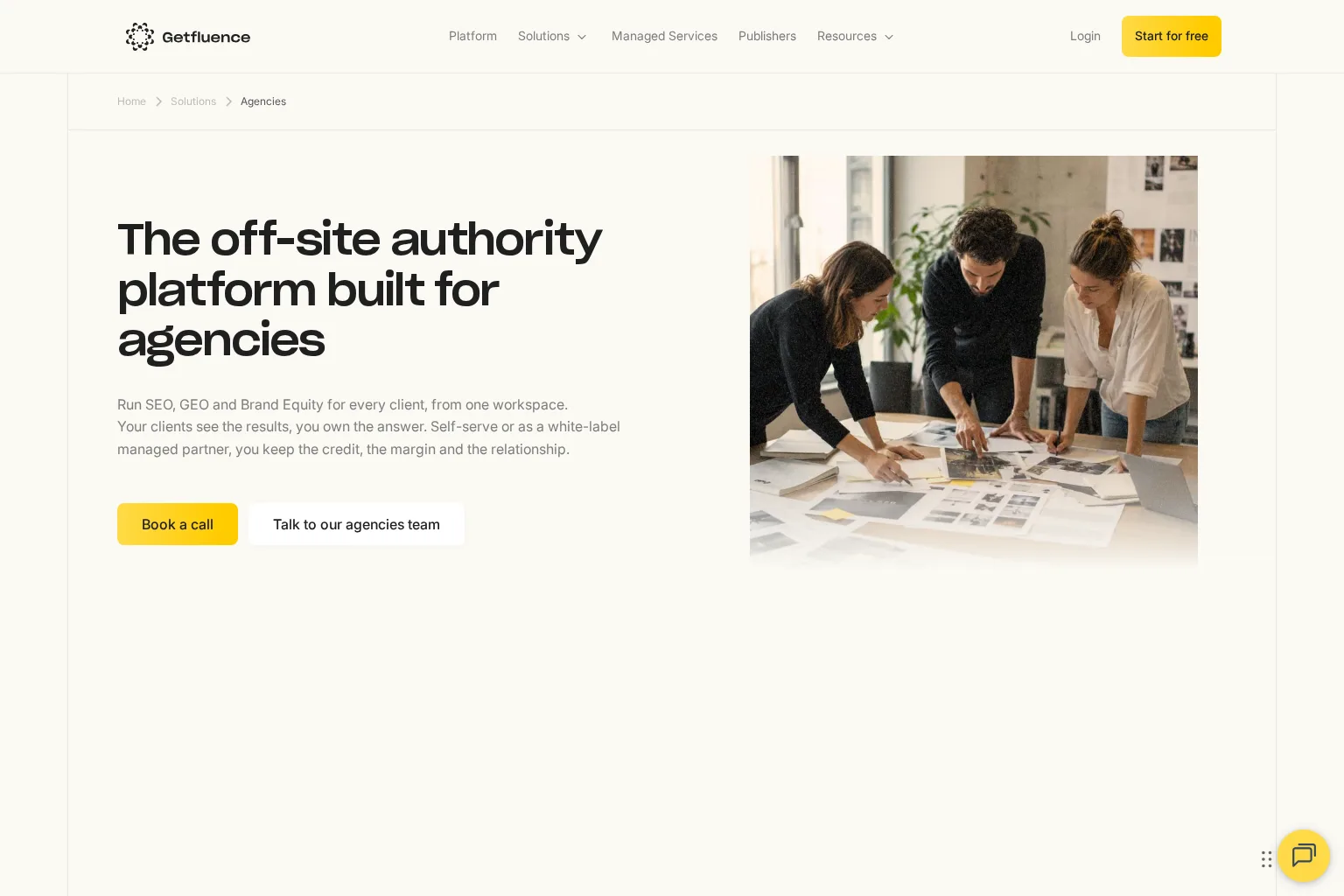
Getfluence for agencies describes separate campaigns and an optional managed programme. Its registration guide says catalogue prices and conditions become available after registration. Best for agencies comparing named publications across clients.
Approval and cost: Request the proposed publisher, recent sample and draft review rights. Getfluence describes pay-per-placement marketplace buying without a subscription or minimum spend; agency terms vary. Its agency page advertises a 12-month publication guarantee. Confirm managed fees and substitute approval. Limit: Its marketing also promotes sponsored do-follow backlinks. Do not buy a paid followed link for ranking credit; require suitable disclosure and qualified link treatment.
2. WhitePress: choose individual publisher offers
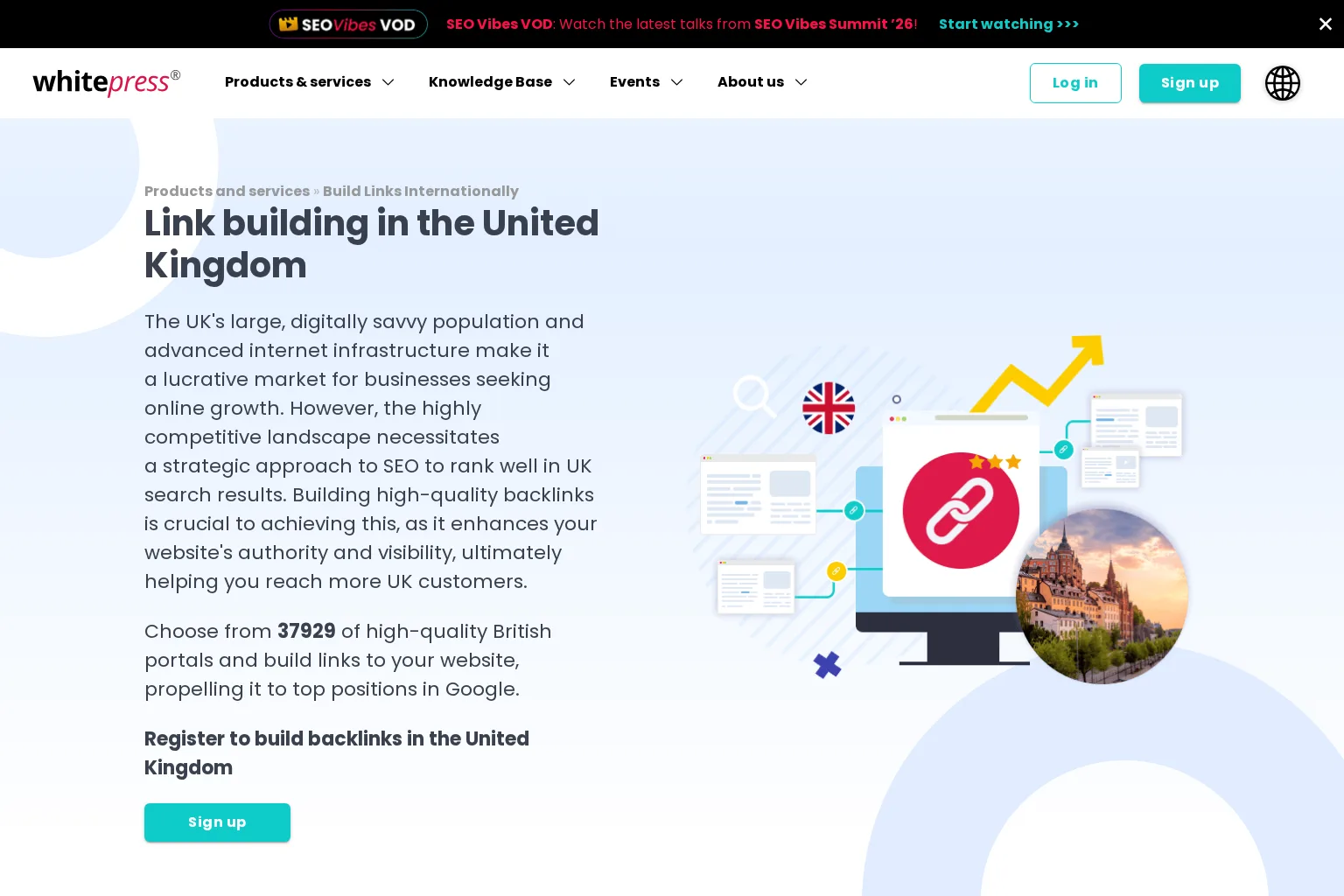
The WhitePress ordering guide explains how advertisers choose publisher offers and supply copy or order writing. Its UK offer describes publication options. Best for agencies wanting to compare actual outlets.
Approval and cost: Filter by subject, price and link type, then read example articles. Its portal guidance distinguishes publisher data from estimated metrics. Publisher offers vary; writing can add costs. The ordering guide describes 12 months of link-presence monitoring, not guaranteed referrals. Limit: Do not select an advertised dofollow paid link in place of properly qualified sponsored placement; confirm disclosure and copy review first.
3. Collaborator: filter by sponsored-link type
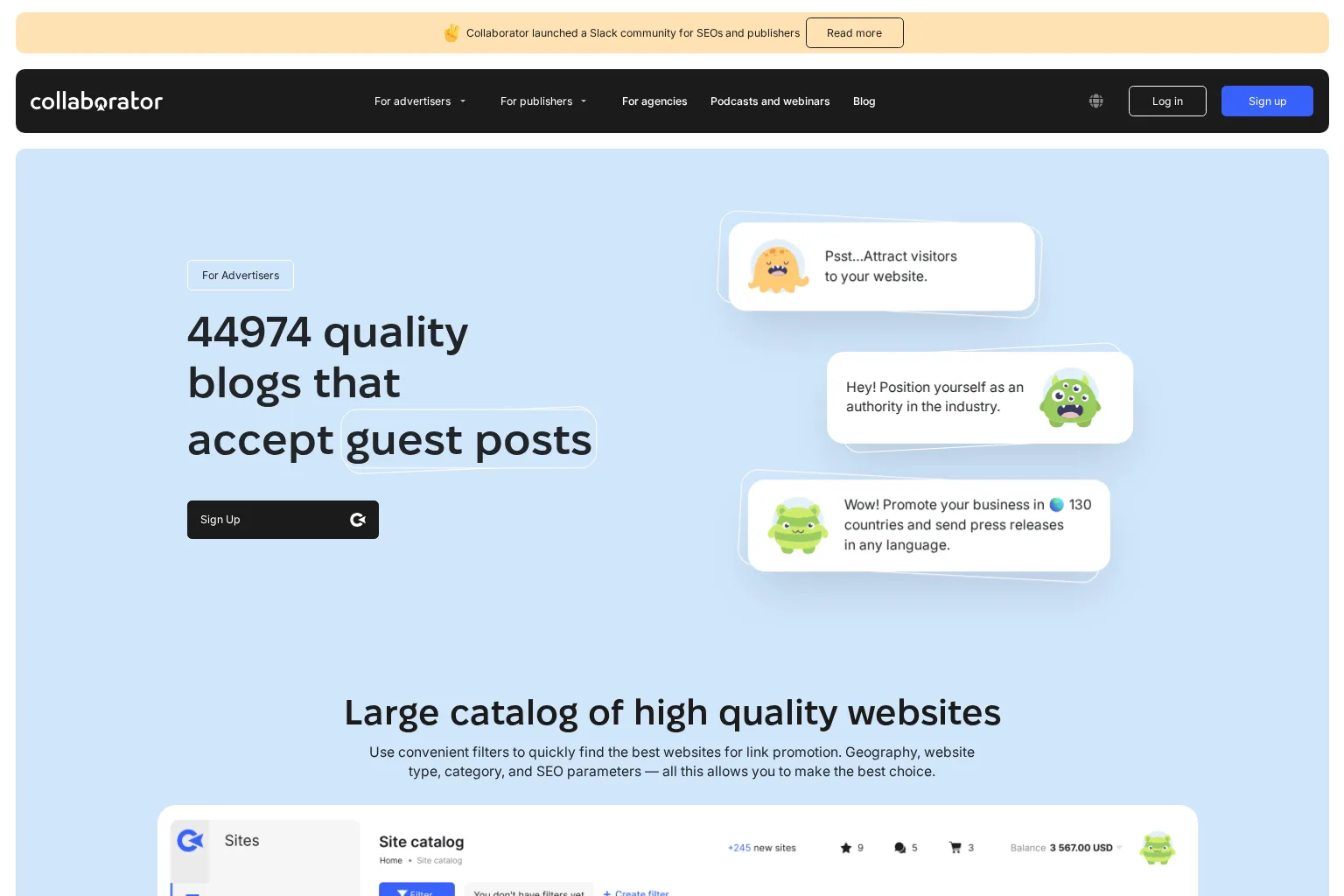
Collaborator's advertiser page describes searchable publisher listings. Its FAQ lists sponsored among available link-type filters. Best for agencies prepared to review each named outlet and final article.
Approval and cost: Inspect audience and recent posts. Publisher prices differ; writing and promotion may add charges. The FAQ lists a 10% commission on deposits, three months of free link-deletion protection and optional paid extended protection. Limit: Deliveries automatically accept after 72 hours without buyer approval or revision request. Assign a reviewer before ordering; check the live label, link and destination.
4. fatjoe: managed execution, limited approval
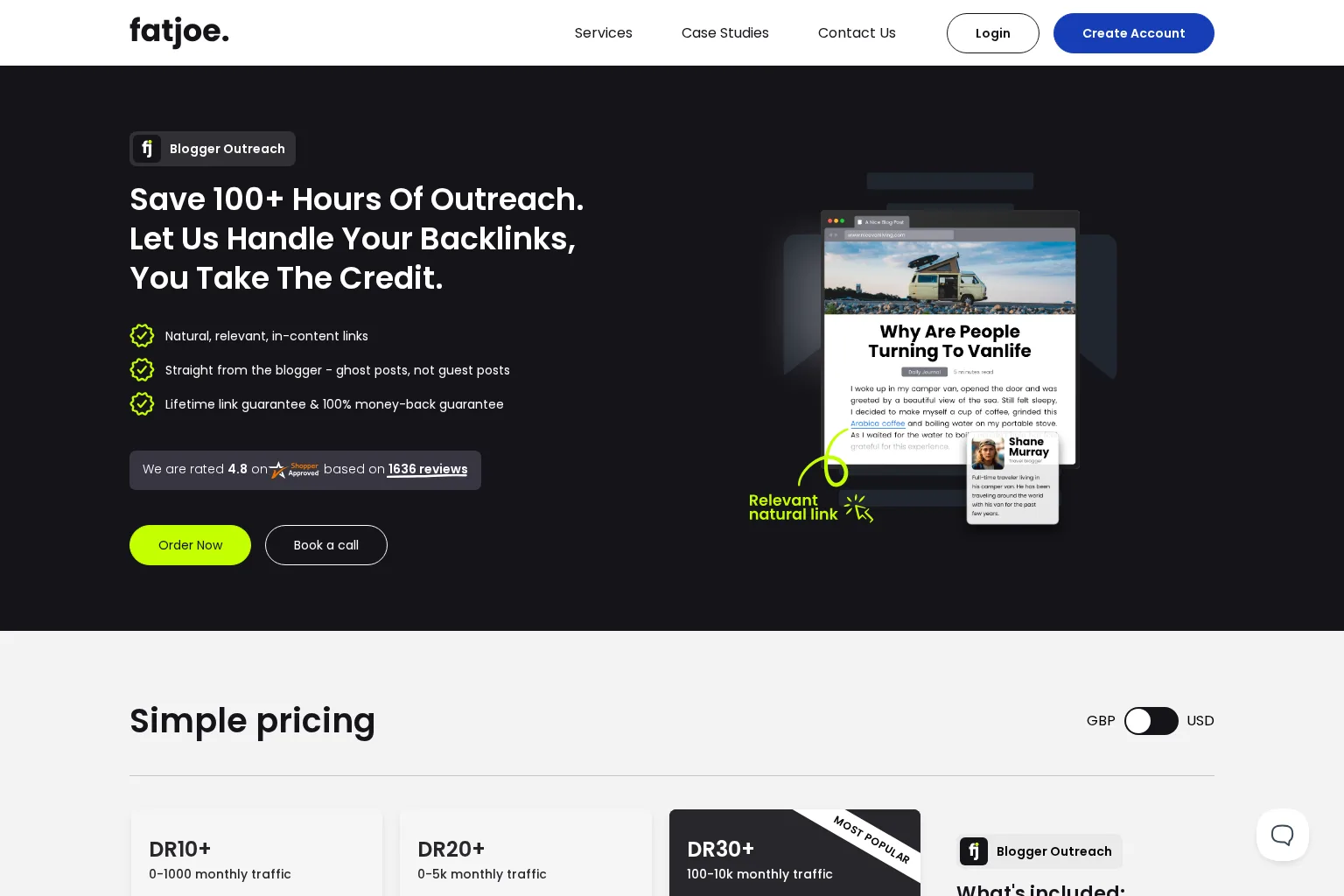
fatjoe's Blogger Outreach handles writing and placement after receiving an anchor and target URL. Best for outsourcing execution, but not for clients requiring publisher pre-approval.
Approval and cost: Its FAQ says buyers cannot pre-approve sites or blog posts for this service. Displayed USD pricing starts at $72 per placement at DR10+, including writing and one anchor/URL. A lifetime-link guarantee describes replacement if a link disappears, not a ranking guarantee. Limit: The package advertises do-follow links. I would not buy the advertised package as a way to obtain paid ranking credit. Consider only a different written offer that permits client approval, disclosure and qualified paid links. Google's policy still applies.
Five gates before a client order
📌 Compare the proposed publication's audience, article context, disclosure and link treatment, full commercial terms, and live delivery. A high domain rating does not prove reader relevance. Send every supplier the same brief and itemise publisher fee, writing, provider charges, promotion, tax where applicable, placement term and replacement rights.

- Set the client goal: sponsored reach or independent editorial coverage.
- Approve the exact publisher, recent articles and proposed client page before payment.
- Agree a prominent ad label, qualified paid link, content approval and written price.
- Test one placement: open the live page, follow the link, check its
relattribute and save dated evidence. - Report paid placements separately from earned citations and recheck the link during its agreed term.
If none pass, consider original research, useful content and digital PR instead. Our outreach automation guide covers tools for editorial pitches.
FAQ
Is every paid backlink against Google's rules?
No. Google allows appropriately qualified advertising links, but prohibits purchasing links to manipulate rankings. Read its policy.
Does a replacement guarantee remove the risk?
No. It remedies a removed link; it does not prove audience fit, correct disclosure or client approval.
The better purchasing decision
I would buy only sponsored access to a publication whose readers matter to the client. If the objective is editorial citations, invest in work that editors can choose to cite. GrowthScout for agencies supports client-specific content planning and publishing, not backlink purchases or publisher certification. Keep approvals in your existing workflow.
Sources
- Google: spam policies
- Google: paid-link attributes
- ASA: identifying advertorials
- Getfluence: agency service
- Getfluence: platform overview
- Getfluence: catalogue access
- WhitePress: ordering guide
- WhitePress: UK options
- WhitePress: portal guide
- Collaborator: advertiser page
- Collaborator: FAQ
- fatjoe: Blogger Outreach
- GrowthScout: agency workflow